About
Laura Straus’s artistic practice is grounded in close observation, emotional intelligence, and a deep respect for the visual language of everyday life. Her work has evolved across photography, ceramics, and painting, but the connective thread throughout is a sustained interest in how images and objects hold memory, intimacy, and meaning.
Straus studied studio art at Wesleyan University, where she received a B.A. with honors, and her early career was shaped by photography, editorial work, and book publishing. That background gave her a strong foundation in composition, sequence, and narrative. As a photo editor at Magnum Photos and later as Director of Photography at Abbeville Press, she learned to think carefully about the relationship between image and context, and to understand how visual work communicates beyond its surface appearance. These experiences continue to inform her studio practice today, even as she works in different materials and forms.
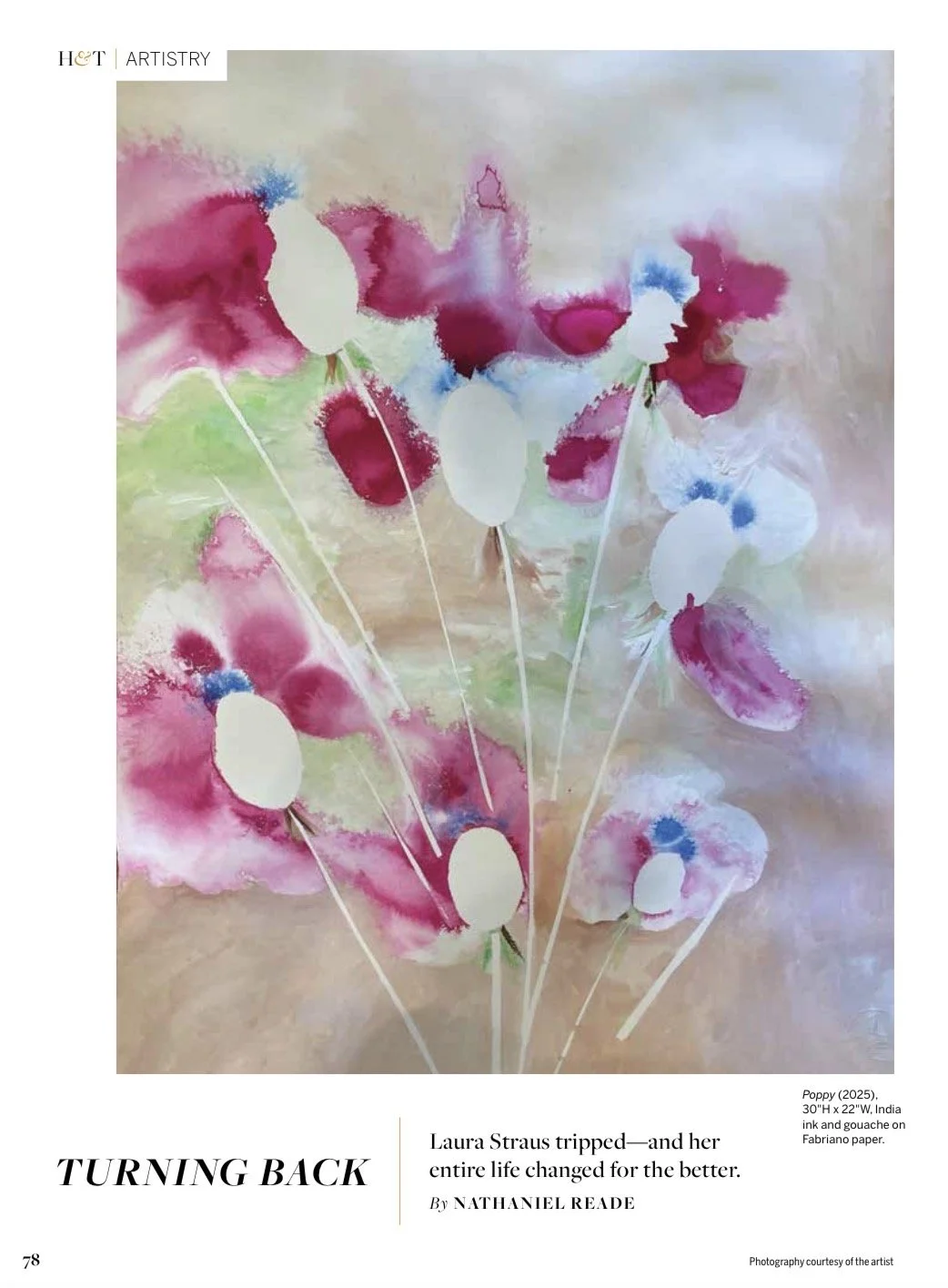
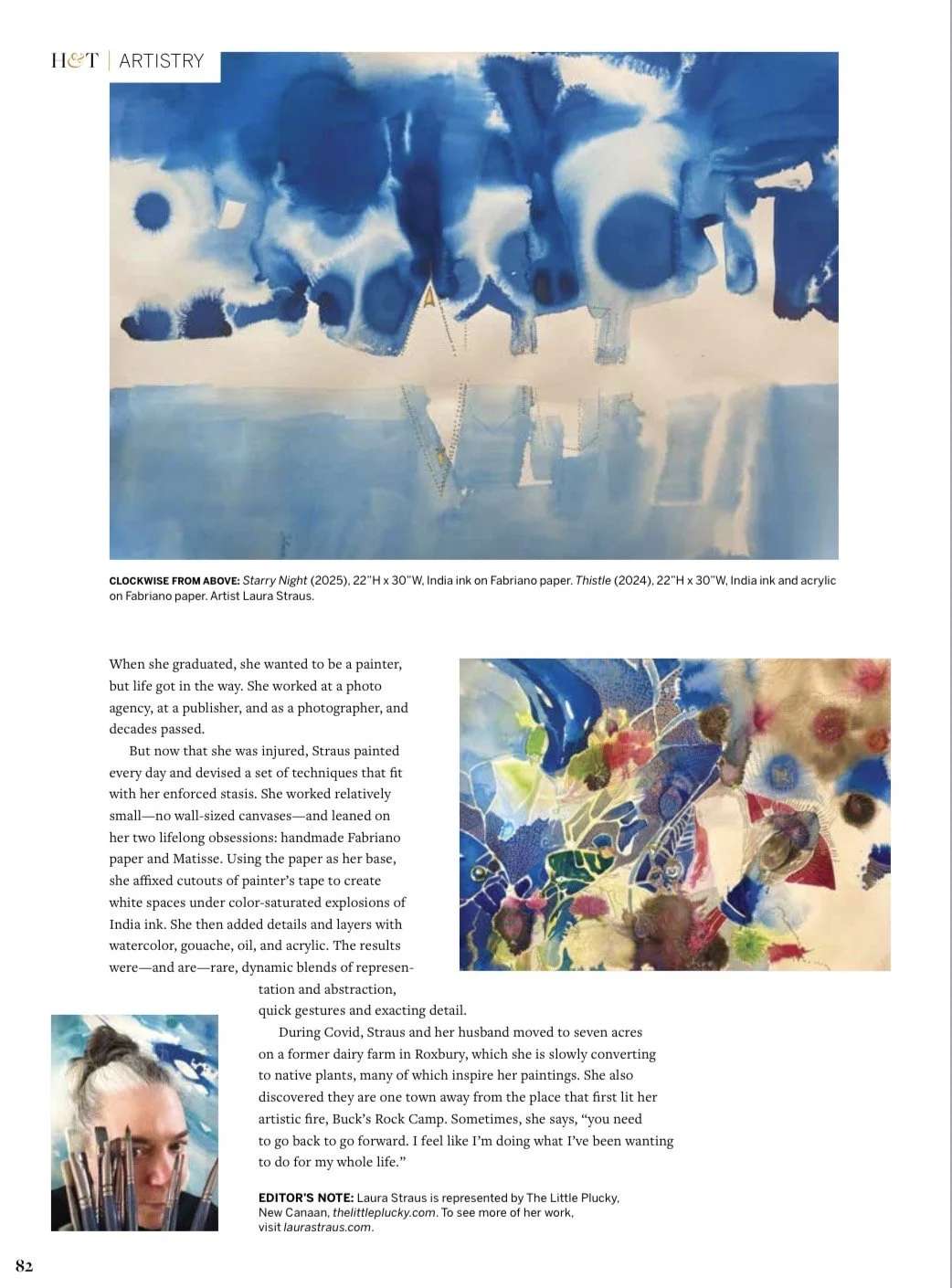
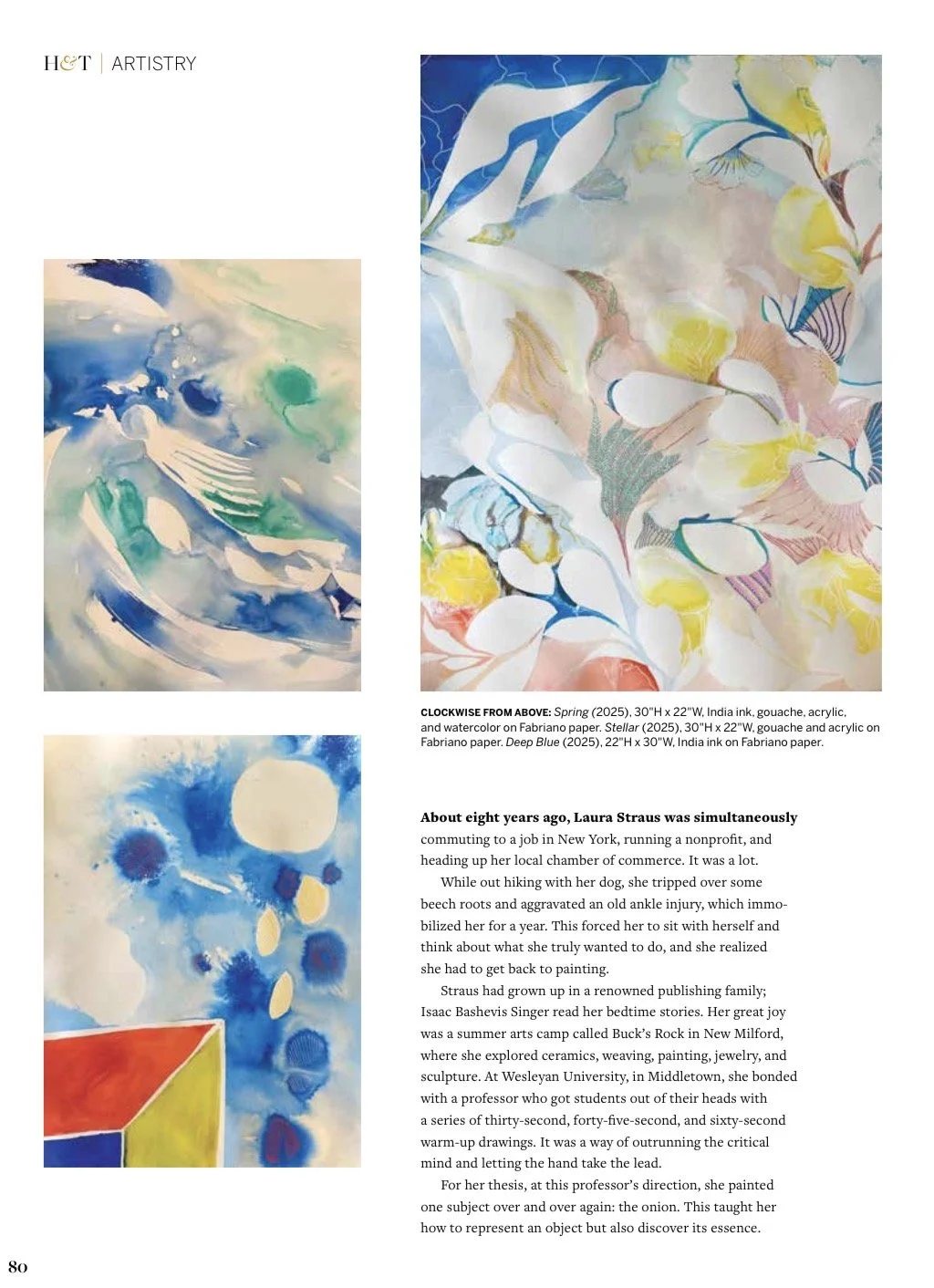
Her current work as a painter and ceramic artist reflects a gradual and deliberate expansion of that visual vocabulary. Ceramics introduced a more tactile, physical relationship to making, one that depends on touch, form, weight, and surface. Painting, by contrast, opens space for color, gesture, and atmosphere. In both media, Straus is drawn to the balance between control and spontaneity. She makes work that is formally attentive yet emotionally accessible, allowing structure and feeling to coexist.
A recurring quality in Straus’s work is its intimacy. Rather than aiming for spectacle, she often turns toward the familiar: domestic spaces, family life, personal objects, and the small details that accumulate into a larger emotional landscape. This sensibility is consistent with her long history of photographing families and publishing books centered on relationships, home, and human connection. Even when her work becomes more abstract or decorative, it retains a sense of lived experience and care.
Straus’s artistic identity is also inseparable from her role as a cultural organizer and advocate. She founded and curated Piermont Straus Gallery, founded the Piermont Straus Foundation, created Rockland Culture, and helped coordinate Art in the Park and the Piermont Chamber of Commerce. These efforts demonstrate a commitment not only to her own studio work but also to building an arts ecosystem around her. That dual role — artist and cultural instigator — gives her practice a wider civic dimension. She is not only making objects and images; she is helping shape the conditions in which art can be seen, discussed, and valued.
Her exhibition history reflects this range. She has shown photography, ceramics, and paintings in solo and group exhibitions at venues including Chrystie Street Open Studio, Chelsea Art Center, the Camera Club of New York, and Piermont Straus Gallery. Her work has also appeared in publications, films, and editorial contexts, including New England Home, the New York Times, Elle, book covers and monographs. This breadth of exposure underscores the flexibility of her vision and the way her images move across different audiences and formats.
Awards and recognition, including a New York Foundation for the Arts photography fellowship and a national juried photography competition win at the Camera Club of New York, mark important points in her career. Yet the deeper story of her practice is one of continuity: a lifelong commitment to looking closely, working carefully, and translating perception into form.
In the studio, Straus’s work brings together the disciplined eye of a photographer, the material curiosity of a ceramic artist, and the chromatic confidence of a painter. She is interested in what happens when image becomes object, when the hand leaves its trace, and when familiar things are remade with renewed attention. Her art invites viewers to slow down, notice, and enter into a quieter form of seeing.
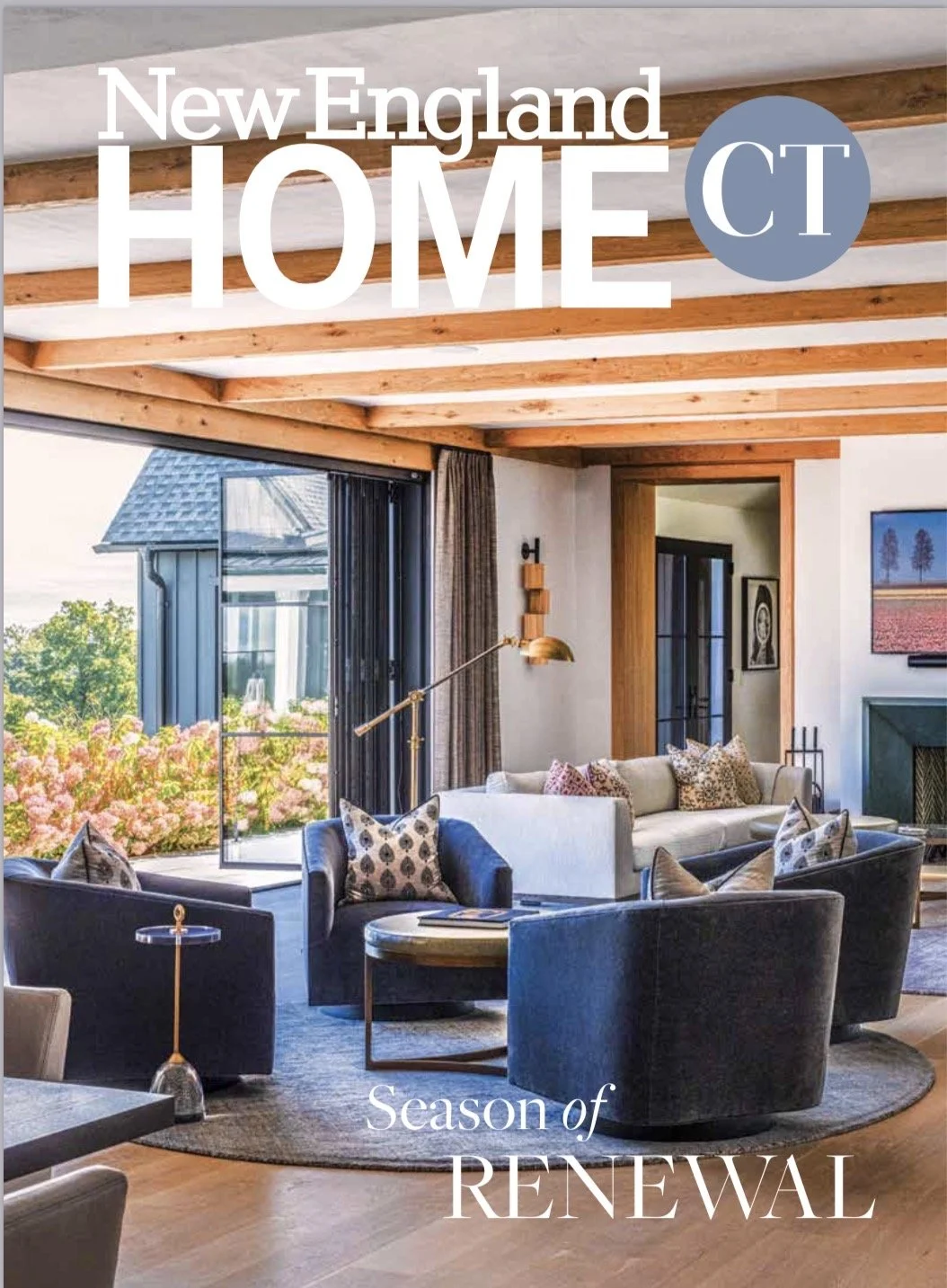
New England Home Feature